


In the printing and packaging industry, BOPP labels are popular among customers due to their high cost-effectiveness. But do you know the specific content about BOPP labels? This article will analyze the meaning, advantages, and applications of BOPP labels, aiming to help you make an informed purchasing decision.
What are BOPP Labels?
Definition of BOPP
The full name of BOPP is Biaxially Oriented Polypropylene. It is a film material made from polypropylene through bidirectional (longitudinal and transverse) stretching processes, and it exhibits superior comprehensive performance overall.
Components of BOPP Labels
- Film Layer/Face Stock: Located on the outermost layer of the label, it provides overall protection. Primarily made of BOPP material, it is water-resistant, oil-resistant, and tear-resistant, enhancing the label’s durability.
- Adhesive Layer: Located in the middle layer of the label, the type of adhesive can be selected according to different scene requirements. There are usually two types: permanent adhesive and removable adhesive.
- Release Paper/Backing Paper: Located at the bottom layer of the label, it protects the adhesive surface. When applying the label, peel off the release paper before affixing it.
What are the Advantages of BOPP Labels?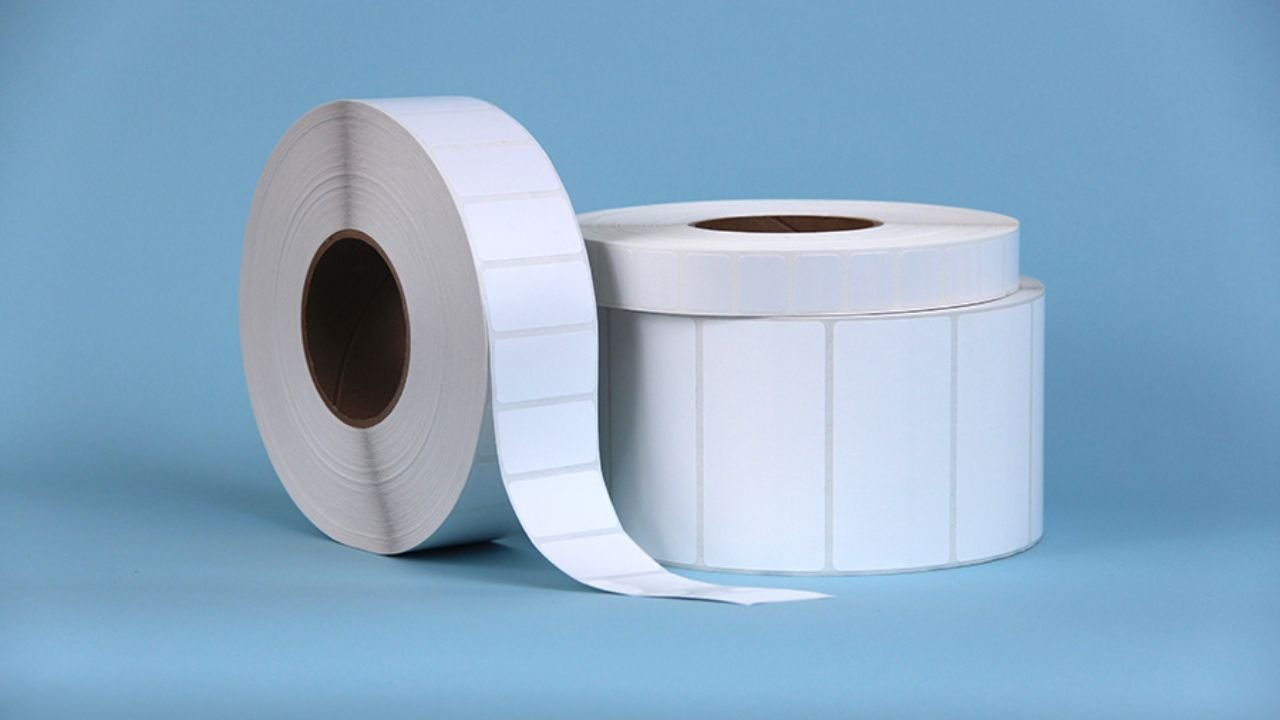
Physical Properties
Compared to ordinary labels, BOPP labels have been further enhanced in terms of tensile strength, impact resistance, flexibility, and abrasion resistance.
Chemical Properties
The essence of BOPP is a plastic film, which can resist water, oil, acids and alkalis, and has excellent corrosion resistance. It can be used stably in a humid environment and is not easy to f peel off.
Biological Properties
BOPP is colorless, odorless and non-toxic, meets environmental protection requirements, and is recyclable. BOPP labels have a longer service life than ordinary paper labels, which can reduce waste.
Easy to Print
BOPP has excellent transparency and gloss, and its surface is smooth and flat, making it highly suitable for printing. Even when printing complex patterns or bright colors, they can be presented very well.
Low Cost
BOPP is very light, which can effectively control costs and also has certain cost advantages during transportation.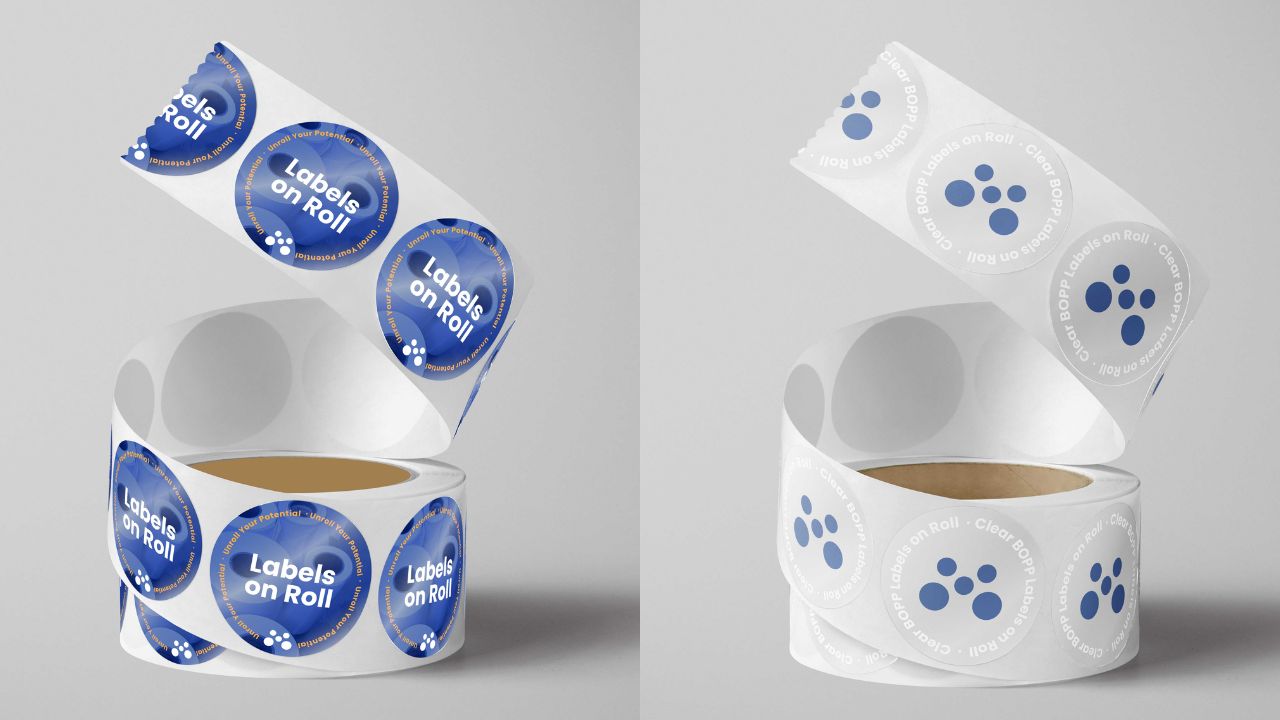
Applications of BOPP Labels
Food Industry
Food labels made of BOPP meet food-grade standards and can be safely used in a wide range of food applications, such as bottled beverages, frozen foods, condiments, etc. If food-grade adhesive is used, the labels can even be attached directly to fruits and vegetables.
Healthcare Sector
BOPP labels can achieve high-quality printing and clearly display all the information of medicines and health products (such as protein powder labels), allowing users to take them safely based on the product information.
Medical Devices
Medical devices need to undergo repeated disinfection. To ensure the stability of the labels, BOPP labels are a good choice. It has excellent corrosion resistance and can deal well with cleaning agents or alcohol used in the disinfection of medical devices without being easily damaged or falling off.
Personal Care
Since BOPP labels can withstand high temperatures and humid environments, they are often used for products commonly found in bathrooms and kitchens, such as dish soap, hand soap, skincare products, and other personal care items.
Cosmetics
BOPP labels can also be made in transparent or glossy styles, which are very suitable for cosmetic packaging and can enhance the grade of the products. Moreover, cosmetic labels are not prone to curling at the edges after long-term use and will not affect the appearance of cosmetics.
Horticulture
Horticultural products include plant seeds, potted plants, saplings, flowers, fertilizers, etc. These products require high-quality labels to ensure they do not easily fall off or get damaged during transportation and handling. BOPP labels have excellent weather resistance and durability, making them suitable for long-term outdoor use with horticultural products.
Logistics Sector
On the one hand, BOPP labels can clearly display barcodes and logistics information; on the other hand, they have excellent weather resistance and durability, making them highly suitable for various environmental conditions encountered during logistics processes.
This is particularly true for maritime transport, where significant temperature fluctuations and high humidity render ordinary paper labels unusable.
Barcode
Barcode labels are widely used in various fields, such as retail goods, industrial or manufacturing products, cold chain products and so on. For reusable logistics assets such as plastic pallets, barcode labels can also support pallet identification, inventory records, and warehouse tracking. Barcode labels made of BOPP material ensure that the label content is clear and accurate, and can be recognized by machines.
FAQ
What is the Difference Between BOPP Labels and Regular Paper Labels?
Most regular paper labels are made of coated paper or thermal paper. BOPP labels are made of reinforced polypropylene. Compared to regular paper labels, BOPP labels have better comprehensive performance.
- First, their applicability is broader, making them suitable for environments such as high humidity, high temperatures, low temperatures, and outdoor settings.
- Second, they have a longer service life.
- Finally, they provide superior visual effects compared to regular paper labels.
However, their initial production costs may be higher than those of regular paper labels.
What are the Different Types of BOPP Labels?
There are three types of BOPP labels.
- Transparent BOPP labels have a low visual presence. When used with transparent packaging, they can display the product’s contents. They are widely used in cosmetics, food, and beverage packaging.
- White BOPP labels are the most widely used. They offer stable performance while making the label content more prominent. They are commonly used in medical devices, pharmaceuticals, health supplements, and industrial logistics.
- Metallized BOPP labels have a reflective visual effect, and silver is more common. They greatly enhance the grade of product packaging and are often used for electronic products.
Can BOPP Labels be Recycled?
The essence of BOPP is polypropylene and it is recyclable. However, when recycling, it is not only necessary to consider the material itself, but also other materials of the label, such as the adhesive, printing inks, and the product container. From an environmental protection perspective, it is recommended to use water-soluble adhesives or eco-friendly adhesives + eco-friendly inks + PP bottles, and to avoid excessive metallization during surface treatment.
How Long Do BOPP Labels Last?
Under normal circumstances, BOPP labels have a service life of 2 to 5 years indoors and 6 months to 2 years outdoors. Under extreme conditions—such as high temperatures, prolonged exposure to intense UV radiation, or prolonged exposure to chemical environments—their service life may be reduced to just a few months. In addition to environmental factors, other considerations include printing methods and material composition.
Final Thoughts
The application of BOPP labels is not only reflected in the product packaging itself, but also in the brand image behind the product. Therefore, choosing a reliable supplier is crucial. Liyantian is a professional label printing manufacturer with 23 years of experience and an outstanding team, dedicated to providing you with the most comprehensive service!


