


Are you troubled by the loss of sticker stickiness? In order to minimize the losses, it is necessary to understand the reasons behind it and resolve them promptly. This article will explain the reasons, offer solutions, and outline specific steps. I hope it can be helpful to you after reading!
Why Stickers Lose Their Adhesiveness?
Surface Contamination of Objects
There are dust, moisture, hair, grease and other contaminants on the surface of objects. These can prevent the glue on the back of the sticker from adhering firmly to the surface, which reduces the sticker’s stickiness and makes it prone to peeling at the edges.
Environmental Temperature
High temperatures can cause the glue to soften and overflow, reducing the sticker’s stickiness. Low temperatures can cause the glue to harden, making it unable to fully adhere to the surface of the object and prone to peeling off.
Adhesive Aging
After long-term use, the solvent in the glue of the stickers will gradually evaporate and lose its activity, resulting in a decrease in adhesion.
Material Mismatch
You should select the appropriate stickers based on the specific surface of the object. Regular stickers are difficult to stick on curved, rough, or textured surfaces.
Improper Transportation and Storage
If stickers are exposed to sunlight for a long time, UV radiation can damage the performance of the glue and shorten the service life of the stickers.
Poor Sticker Quality
The issue lies with the sticker itself, such as the use of poor-quality raw materials and uneven distribution of glue.
Improper Application
If the sticker is not pressed firmly enough during application, resulting in air remaining between the sticker and the object surface and failing to make adequate contact.
How to Restore the Stickiness of Stickers?
Spray Adhesive
Spray adhesives are suitable for stickers where the original glue has lost its effectiveness but the raw materials of the stickers remain undamaged. They can form a new, uniform, and strong adhesive layer on the back of the sticker, effectively restoring its stickiness; however, they are only suitable for temporary, non-critical and small-batch repair scenarios.
Usage Method
- Environment Preparation: Perform this operation outdoors or in a well-ventilated indoor area. To avoid polluting the surrounding environment, you can place newspapers or cardboard under the stickers.
- Clean the Surface: Clean both the back of the sticker and the surface of the object. You can gently wipe them with an alcohol wipe to ensure they are clean and dry.
- Using Spray Adhesives: Shake well before use. Spray the glue mist evenly on the back of the sticker at a distance of 15 to 20cm. After spraying, wait for a while according to the product manual to allow the glue mist to evaporate slightly.
- Stick and Press: Align the sticker with the desired position and stick it precisely. After pasting, you can use tools such as cards to smooth the sticker from the center to the periphery to avoid the formation of air bubbles and the lifting of the edges, ensuring that the sticker is firmly adhered to the object.
Use Heat to Reactivate / Hairdryer
Among various methods, the heating method is the simplest, safest and lowest-cost one. Its principle is to soften the original glue on the sticker through heating and restore its stickiness.
This method is suitable for small-batch repairs, situations where the stickiness of stickers decreases due to low-temperature environments, or when you discover the stickiness of stickers is insufficient just before use.
Usage Method
- Clean the Surface: Clean the back of the sticker and the surface of the object.
- Set the Hairdryer to a Medium-Low Heat Setting: Hold the hair dryer 10–15 cm away from the back of the sticker and move it back and forth at a constant pace. Usually, heat it for 30 to 60 seconds until the glue softens.
- Stick and Press: There is no need to wait. Once the adhesive on the sticker has been heated until slightly melted, immediately align it with the target object and for pasting. From the middle to the edge, make sure the sticker glue makes full contact with the surface of the object.
Rubber Cement
Rubber cement is a very professional adhesive. It can not only restore stickiness but also provide a certain degree of removability for stickers. It is particularly suitable for paper-based stickers, stickers with uneven surfaces, and situations where the original adhesive on the back of the sticker has completely failed.
Usage Method
- Removing the Original Glue: You must first remove the old adhesive from the back of the sticker; otherwise, it will affect the formation of new glue.
- Applying the Glue: Rubber cement usually comes with a brush head. Pay attention to the amount of glue. Don’t apply too much glue. A thin layer is enough.
- Apply and Press: According to the product manual, wait for 1 to 3 minutes until the glue becomes transparent before pasting. Because rubber cement has strong elasticity, it can be pressed hard after pasting, which will make the sticker adhere more firmly to the object.
Double-Sided Clear Tape
You can apply double-sided clear tape directly to the back of the stickers and use the new adhesive layer to stick them directly onto the surface of an object. This method is not only simple and quick, but it also allows you to process a whole batch of scrapped stickers in batches.
Usage Method
- Cleaning and Preparation: Clean the back of the sticker and the surface of the object thoroughly.
- Cutting the Double-Sided Tape: According to the size of the sticker, cut out the double-sided tape of an appropriate size.
- Apply and Press: Align the sticker with the surface of the object, peel off the backing paper, and apply it precisely, pressing firmly to ensure it adheres securely to the surface.
Repositionable Glue
The biggest feature of repositionable glue is that it can be applied multiple times without leaving any residue and the position of the stickers can be flexibly adjusted. It is especially suitable for scenarios where stickers need to be reused, such as promotional activities or display scenes.
Usage Method
- Clean the Back of the Sticker: To remove impurities from the back of the sticker, you can use a little alcohol appropriately.
- Apply Glue: Apply the glue evenly to the back of the sticker. Be careful not to use too much to avoid overflow.
- Paste and Adjust: According to the product manual, wait for a moment before pasting. You can adjust the position or paste repeatedly.
Glue Stick
The feature of the glue stick lies in its clean, simple, and convenient application. It is especially suitable for paper stickers and is often used in office, home manual work, etc. It can also be used in small-batch emergency scenarios.
Usage Method
Clean the Old Adhesive Layer on the Back of the Sticker: Remove impurities and try to keep the back of the sticker as flat as possible.
Apply Evenly: Use a glue stick to apply in circular motions. To prevent the edges from lifting, you can cover the entire back of the sticker. But be careful not to apply too much. A thin layer is enough.
Paste and Press: Wait for 30 to 60 seconds before pasting. When pasting, remove the air bubbles to ensure the sticker adheres firmly.
Double-Sided Sticker Paper or Sticky Dots
These two methods not only have strong adhesion but also work well with stickers of complex shapes or 3D stickers, making them suitable for scenes where there are requirements for the overall appearance.
Usage Method
- Clean the back of the sticker and the surface of the object to ensure both are clean and dry.
- Apply pre-cut double-sided sticker paper or sticky dots to key areas on the back of the sticker (the four corners and the center), then peel off the backing paper and position the sticker precisely.
Homemade Sugar or Flour Paste
This is a nearly cost-free, eco-friendly, and easy-to-clean method for restoring the stickiness of stickers. It is suitable for informal product repairs and temporary emergency situations.
Usage Method
Syrup
- To Make the Syrup: Mix sugar and water in a 2:1 ratio, then heat in the microwave for 10–15 seconds until a thick syrup forms.
- Cool and Apply: Once the syrup has cooled slightly, use a brush or cotton swab to dip it and apply it evenly on the back of the sticker.
- Paste and Press: After pasting, press hard to make the syrup fully sticky.
Flour Paste
- To Make the Flour Paste: Mix flour and water in a 1:2 ratio and stir thoroughly until there are no particles. Heat in the microwave for 30 seconds until a transparent paste forms.
- Cooling: It is essential to wait until the batter has completely cooled down before using it; otherwise, it will affect the flatness of the stickers.
- Apply and paste: Use a brush to evenly apply it to the back of the sticker, and then paste it.

FAQ
How to Prevent Stickers from Losing Stickiness?
First of all, choose the appropriate product based on the specific usage to ensure that the adhesive on the back of the sticker can be adhered to the target object. Secondly, store the stickers correctly, pay attention to sealing them, keeping them away from light, and providing appropriate temperature and humidity. Finally, when using it, make sure to clean the surface of the object thoroughly to avoid affecting the stickiness of the sticker.
How to Choose the Appropriate Method to Restore the Stickiness of Stickers According to Different Scenarios?
- For small-scale, emergency repairs to restore a sticker’s stickiness, you can use double-sided clear tape, a glue stick, or sticky dots.
- If the sticker has lost only a small amount of adhesion, such as the edges peeling up slightly, you can use a hairdryer to heat it.
- If the sticker has lost a significant amount of adhesion, you can use spray adhesive, rubber cement or double-sided sticker paper.
- If you need to reposition the sticker repeatedly, repositionable glue is a good choice.
- If aesthetics are a priority, double-sided sticker paper and sticky dots are the best options.
Why do Stickers Lose Their Adhesiveness During Shipping?
During shipping, stickers may encounter many situations that cause them to lose their stickiness.
- The long transportation time caused the glue to gradually lose its stickiness.
- High or low temperatures cause the glue to become soft or hard, losing its original adhesiveness.
- Excessive humidity can easily cause the edges of the stickers to curl up.
- Improper packaging makes the adhesive back prone to contamination by dust in the air.
- Squeezing and stacking can cause the sticker structure to deform, thus losing its stickiness.
Under What Circumstances is it Not Recommended to Restore the Stickiness of Stickers?
Not all stickers can successfully regain their stickiness smoothly. To avoid wasting too much time, it is not recommended to restore the stickiness of stickers in the following situations, such as large-scale repairs, use in commercial scenarios, stickers with brittle adhesive layers, deformation of base materials, and damage to the printed surface, etc.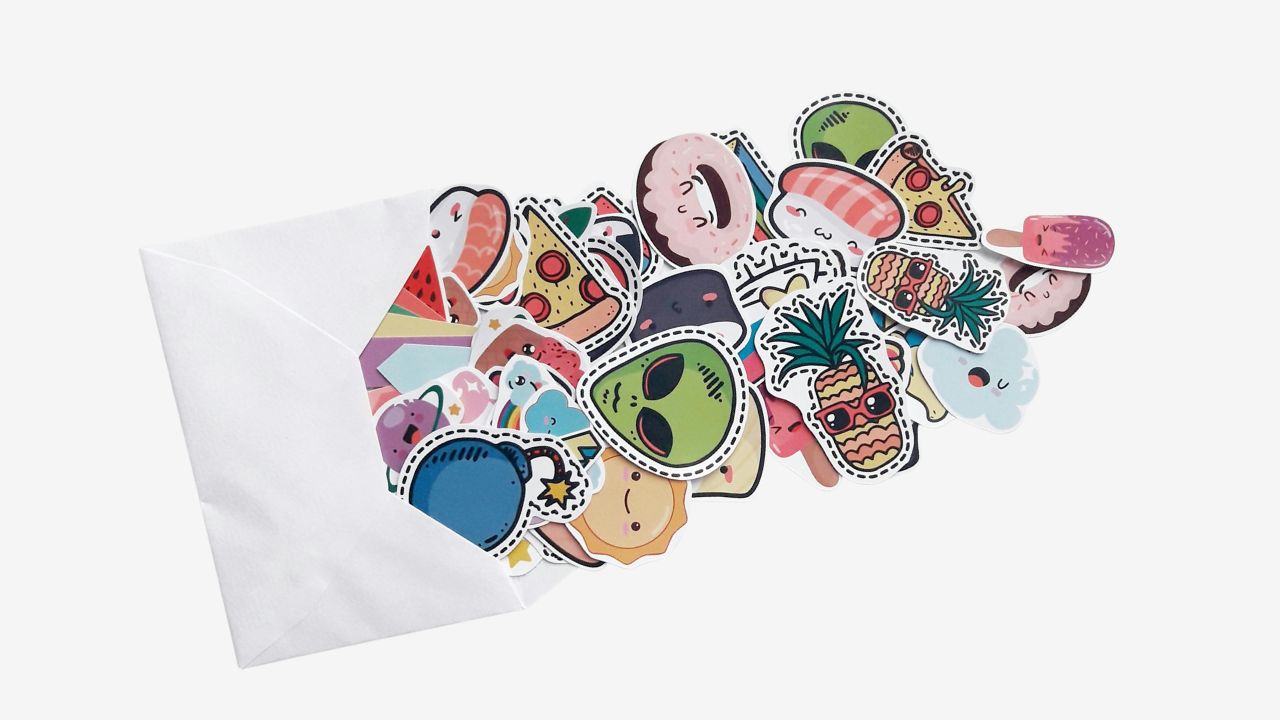
Final Thoughts
Although all these methods can help restore the stickiness of your stickers, choosing a high-quality manufacturer can solve the problem fundamentally. Liyantian has over 20 years experience in sticker manufacturing, ensuring the durability and adaptability of each sticker. If you have any needs, please feel free to consult us at any time!


